Carpet cleaning looks simple from the outside: a van pulls up, hoses snake into the house, the technician makes a few passes with the wand, and a couple of hours later the carpets look fresher. But the difference between an average result and a “wow, that looks new” result often happens before the carpet cleaning service even begins. I’ve worked with homeowners, property managers, and facility teams for years, and the same preventable missteps show up again and again. The good news is that a little preparation, paired with a clear understanding of how carpet cleaning companies operate, can help you avoid delays, damage, and so-so outcomes.
Below are the five mistakes I see most often, why they matter, and how to sidestep them without turning your home upside down. Consider this your on-the-ground perspective, the kind technicians wish every client read ahead of time.
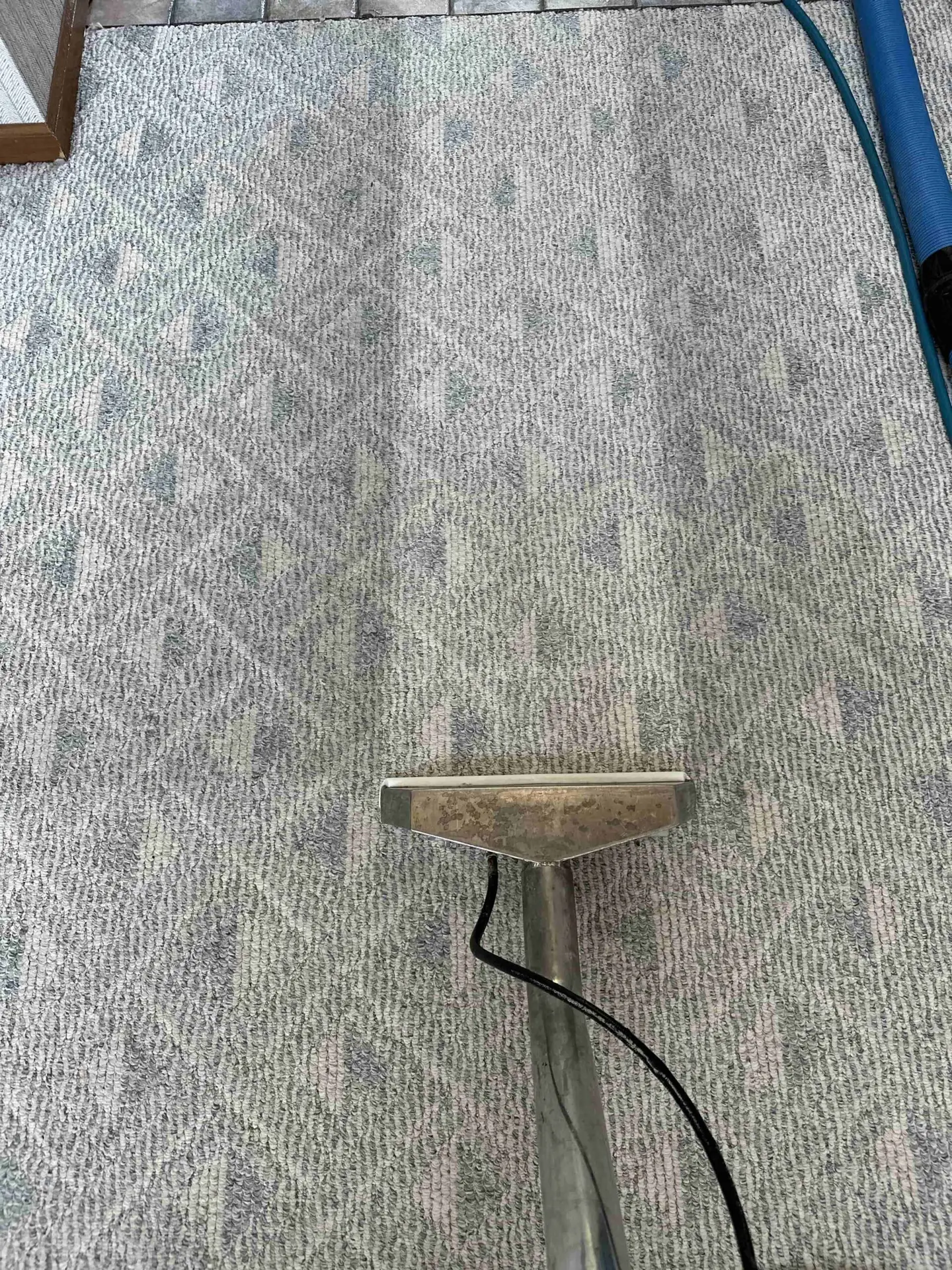

Mistake 1: Not Clearing the Floor or Planning Furniture Moves
If a room is a maze of toys, power cords, shoe piles, and small tables, your technician spends time navigating obstacles instead of cleaning. The hose and solution lines can snag, the wand misses edges, and soil hides where clutter prevents proper extraction. I’ve watched technicians stop mid-pass to lift five pairs of sneakers by the laces, then try to reset their stride. That interruption, repeated across a room, adds up to inconsistent agitation and a patchwork clean.
Furniture is the bigger swing factor. Most carpet cleaning companies will move light items like dining chairs or a small ottoman when reasonable, but they avoid heavy pieces for liability and safety. Think bookcases, china cabinets, loaded dressers, grand pianos, or anything with fragile feet or hidden wiring. If you expect a fully wall-to-wall clean, plan how those items will be managed.
A practical approach is to stage the room in zones. For a living room, shift small items to the kitchen or garage and place sensitive electronics and floor lamps on a bed or a table in another room. For a bedroom, strip the bed and, if it’s safe to do so, slide it a foot or two to expose traffic lanes on both sides. If the bed has a heavy frame or center supports, leave it and ask the technician to trim around it neatly. Trimming is common practice and, when done right, it looks clean and intentional.
If you’re short on time or muscle, ask your carpet cleaning service ahead of the appointment whether they offer a furniture-moving add-on. Many do. Rates vary by region and by item weight, but it is often less expensive than calling a separate moving service. If you choose this option, clear drawers and shelves first so nothing tips or cracks during a lift.
One small but important detail: remove breakables from surfaces even if you aren’t moving the furniture. The vibration from a high-powered extractor can rattle a shelf. I have seen a single porcelain figurine fall, chip, and spoil the end of an otherwise great service. It takes two minutes to relocate fragile items to a safe, stable spot.
Mistake 2: Skipping a Proper Vacuum or Rushing It
There is a persistent myth that hot water extraction makes vacuuming unnecessary. In reality, dry soil removal is the foundation of a superior clean. Ask any seasoned technician: if the carpet still has grit in it, the wand has to work twice as hard, wicks soil up from the base, and leaves micro-abrasives behind that wear fibers faster. A thorough vacuum grabs sand, hair, crumbs, and the fluff that hides along baseboards.
Many carpet cleaning companies bring commercial uprights or backpack vacuums, especially for commercial jobs. For residential appointments, practices vary. Some techs vacuum as part of their process, others expect the homeowner to vacuum beforehand unless you’ve paid for a deep prep. If you aren’t sure, call and ask. It’s better to confirm than assume.
When you vacuum, slow down to about one foot per second and double-pass in traffic lanes. Edge along baseboards with a crevice tool, because dust lines there act like glue for new soil. If you have pets, pull out hair roll-ups under couches and along the front of sofas. Long hair and fur can mat when wet and form something close to felt if left in place. The technician’s pre-spray has to fight through that layer before it reaches the fiber.
You don’t need to vacuum like a museum conservator. Spend 10 to 15 minutes per average-size room, more for a family room that sees daily traffic or a playroom where snacks went rogue. These minutes translate into cleaner rinse water and a fresher finish.
Mistake 3: Not Flagging Spots, Stains, and Special Conditions
Technicians can do a lot with the right chemistry and enough dwell time, but they aren’t mind readers. I keep a golf pencil and a sticky pad in my tool tote for this reason: clear notes save time. If a room has recent spills, pet accidents, nail polish mishaps, or high pH residues from a DIY cleaner, tell the technician before they mix their pre-spray. Certain polymers in common spotting products can lock in discoloration or react with high heat. Likewise, pet urine that soaked a pad requires different treatment than a coffee stain that never penetrated.
Be honest about what happened. Embarrassment is normal, but candor helps. I once treated a “mystery stain” near a home office that wouldn’t budge with standard tannin removers. The homeowner later mentioned a toner cartridge explosion two months earlier, and that clue changed everything. We switched to a specialty product and got it 90 percent out. If we had known up front, we would have packed it the first time.
Allergies and sensitivities belong on the list too. Most modern carpet cleaning services have hypoallergenic or fragrance-free options, and many cleaners use plant-based surfactants or neutral rinses by default. If someone in your household is sensitive to perfumes, glycol ethers, or optical brighteners, say so when you book. A good carpet cleaning company will note it and stock the van accordingly. If you have wool or a wool blend, that’s critical to mention. Wool hates high pH solutions. An experienced tech carries a wool-safe pre-spray and keeps rinse temps moderate to protect the cuticle.
Lastly, flag any loose seams, transitions, or ripples. Moisture plus agitation can make an existing buckle more visible for a few days, especially with latex-backed carpets in humid climates. This is normal and usually settles as the carpet dries and the latex re-firms. If the ripple is significant or has existed for months, schedule a restretch before or after cleaning. Cleaning does not fix a stretched-out carpet, and sometimes it highlights the issue.
Mistake 4: Ignoring Access, Parking, and Water/Electric Constraints
The number of appointments that run late because a technician can’t park within hose distance would surprise you. Truck-mounted units generally need to park within about 100 to 200 feet of the door, and that distance matters. Long runs add drag and reduce vacuum efficiency, which means more moisture left in the carpet. Apartment buildings, townhouses, and tight urban streets complicate this. Reserve a spot if your building allows it. If you have a gated lot, arrange permission so security doesn’t turn the van away.
Water and power also matter. Most truck mounts supply their own heat and suction, and they draw water from on-board tanks or your outdoor spigot if needed. Portable units require a reliable power circuit and hot water from your sink or tub. If the only available circuit already powers space heaters or multiple appliances, the cleaner’s machine might trip a breaker. In older homes, ask the technician what they need: some carry power splitters and GFCI adapters but not always.
SteamPro Carpet Cleaning2500 Bay Point Ln, Osage Beach, MO 65065
(573) 348-1995
Website: https://steamprocarpet.com/
Clear a path from the door to the rooms being cleaned. Heavy hoses can rub on trim and catch on shoe racks or pet gates. I carry corner guards to protect paint, but they only help if the path is reasonably straight and the objects along it are stable. Laying down a towel or a runner by the entry point keeps grit from being tracked back onto clean fibers during the job.
If you have pets, plan their day. Many dogs love to inspect the technician’s toolkit, then wander through damp carpet with a look of pride. Crate or confine them to a room that isn’t being cleaned, ideally with a water bowl and a toy. Cats tend to disappear the moment the vacuum starts, then reappear to explore. Close off escape routes near the door. Technicians open and close your door for hose runs and trips to the van, and a startled cat can be out the door before anyone can react.
Mistake 5: Not Planning for Drying Time and Post-Clean Care
Of all the missteps, this one creates the most frustration. A high-quality carpet cleaning service leaves your carpet slightly damp, not soggy. Dry times vary by fiber, pile density, humidity, and equipment. A typical nylon or polyester pile in a climate-controlled home dries in 4 to 8 hours. Dense cut pile or thick Berber can take 8 to 12 hours. Wool needs gentle handling and good airflow, and it can feel slightly cool and damp longer even when surface-dry.
If you’re hosting a party the same evening, reschedule. Foot traffic on damp carpet pushes soil into fibers, flattens the pile, and can transfer dyes from dark socks or area rugs. I once saw faint blue footprints tracked from a low-cost bathmat onto freshly cleaned bedroom carpet. The bathmat bled because it sat on a warm tile floor and the homeowner stepped on it after a shower, then crossed the bedroom. Thirty minutes later, there were ghost-blue arcs across the room. It took another visit to correct.
To speed drying, technicians can leave air movers in your home, but that is usually part of a premium package or commercial job. For residential jobs, simple steps help: turn on ceiling fans, set your HVAC fan to “on” for continuous circulation, and crack windows if the outside air is dry. If humidity is high outside, keep windows closed and run the air conditioning to dehumidify. In basements, a dedicated dehumidifier makes a noticeable difference. Avoid replacing plastic or rubber-backed area rugs on the carpet until it is fully dry, because trapped moisture can cause yellowing or odor.
Ask for complimentary protective tabs or blocks under furniture legs if pieces must go back early. Wood stains and metal feet can transfer to damp carpet within an hour. Good carpet cleaning companies carry tabs for this reason. Leave them in place for 24 hours or until the carpet is dry.
A final carpet cleaner note on post-clean care: resist the temptation to overuse protectors and deodorizers after the fact. If you paid for a protector, your technician should apply it evenly and groom it into the pile. Over-application at home can cause stickiness that grabs soil. If you notice lingering odor after a pet treatment, communicate with your provider. Some urine issues need subsurface treatment or pad injections, not more perfume.
Choosing the Right Carpet Cleaning Service Matters as Much as Prep
Even perfect preparation cannot bridge a gap in skill or equipment. The carpet cleaning industry spans sole proprietors with a portable extractor to large carpet cleaning companies with fleets of truck mounts. Both can deliver great work, but their capabilities differ. For example, a third-floor condo with limited parking may favor a portable unit, while a large house with long hallways and heavy soil might benefit more from a truck mount’s heat and vacuum.
When you evaluate a carpet cleaning company, look for technicians who ask you good questions before arrival. Do they ask about fiber type, square footage, and special concerns? Do they explain what is and isn’t possible? Beware of rock-bottom quotes that only include a splash-and-dash. A credible provider will break down their process: dry soil removal, pre-spray and agitation, hot water extraction or low-moisture method, spot treatments as needed, and post-grooming.
Ask how they handle recurring spots. If a stain returns after the carpet dries, it may be wicking from the pad. Reputable carpet cleaning services stand behind their work with a reasonable reservice window, often 7 to 14 days. They should also be transparent about limitations. A bleach spot isn’t a stain at all, it is color loss. That requires a color repair, not a cleaner, and not every company offers it.
Chemistry matters too. For synthetic carpets, a slightly alkaline pre-spray with enzymes works well on oily and protein soils. For wool, you want a wool-safe, mildly acidic or neutral cleaner. If a company cannot articulate how they adjust chemistry by fiber and soil, they may be relying on a one-size-fits-all jug. That approach can still clean, but it leaves performance on the table and risks fiber damage over time.
Certification isn’t everything, but it is a signal. IICRC training or similar programs teach technicians about pH, dwell time, temperature, and fiber identification. Combine that with real-world experience and good customer reviews, and you’re less likely to be disappointed.
A Simple Pre-Appointment Checklist
Use this brief list the evening before or morning of your appointment. It’s short by design, and it covers the things that consistently make a difference.
- Pick up small items from floors and clear easy-to-move furniture. Relocate breakables from surfaces. Vacuum slowly, especially in traffic lanes and along baseboards. Spot hair and grit. Leave notes or verbally identify stains, pet areas, and special fibers like wool. Share sensitivities. Reserve parking close to the entry. Clear a hose path and secure pets. Plan for drying: fans on, HVAC fan set to on, dehumidifier if needed. Avoid heavy use for the day.
What Technicians Wish You Knew About Pricing and Time Windows
There is an art to estimating time and cost. When a carpet cleaning service quotes a price, they’re balancing square footage, soil level, spot treatment time, and travel. If a home is 1,200 square feet of clean, low-pile nylon, a two-person crew might finish in two hours. Add three rooms with pet issues, a couple of ink spots, a stairway, and heavy furniture you want moved, and the job can stretch to four hours or more.
Time windows exist for good reason. Traffic, prior jobs that ran long due to unforeseen stains, or a misestimated staircase can shift a schedule. The best carpet cleaning companies communicate delays early and set expectations when they arrive. Help them help you by being reachable. If your building has a call box, make sure the code works that day. If your phone filters unknown numbers, add the technician’s number temporarily so you don’t miss an arrival call.
As for pricing, beware of bait-and-switch tactics that list a brand-name method for an unrealistically low per-room fee, then pile on charges for pre-spray, spot treatment, and basic stain removal. The most reliable providers offer packages that include the essential steps in one number. If you prefer à la carte, get it in writing. Neither approach is inherently better, but clarity prevents friction.
Special Cases: Wool, Berber, and Commercial-Grade Carpet
Each carpet type has its quirks. Wool is resilient and beautiful, but it requires cool water, gentle chemistry, and careful drying. High heat can cause felting or shrinkage, and strong alkalines can strip the fiber. If your home has wool rugs or wall-to-wall wool, tell your carpet cleaning company when you book, not at the door. They may send a different technician, bring wool-safe chemistry, or schedule more time.
Berber, especially olefin Berber, hides soil in its loops and shows tracking easily. It wicks if overwet. Technicians often use lower-moisture techniques, extra dry passes, and fans to fight wicking. If you’ve used a powder cleaner in the past, vacuum thoroughly before your appointment. Those powders cling to loops and can form residue that foams like soap, which slows rinsing.
Commercial-grade carpet tiles in home offices are another common surprise. They tolerate different chemistry, but the seams and backing can lift if flooded. A seasoned technician will adjust pressure and keep rinse volumes low. If you are cleaning a home office, unplug and lift all wires from the floor. Moisture plus power strips makes for a tense five minutes.
Odor, Residue, and The Myth of “Too Clean”
People sometimes worry that professional carpet cleaning makes carpet re-soil faster. There’s a kernel of truth buried in history. Years ago, some carpet cleaning companies left detergent residues because they lacked proper rinses or used excessive shampoo. Residue attracts soil, so carpets looked dingy sooner. Modern methods, done right, rinse thoroughly and neutralize pH. The carpet should feel soft, not sticky, underfoot.
If your carpet consistently soils fast after cleaning, tell your provider. They might adjust the rinse, swap to a lower-residue pre-spray, or increase dry passes. In homes with heavy cooking oils or aerosolized products, residues can settle in carpet. The first post-cleaning week is the best time to reset habits: swap an aerosol for a pump spray, add a door mat at the garage entry, or institute shoes-off in carpeted areas. A clean carpet is a fresh baseline. Protect it and you stretch the time between service calls.
Odor is more complex. A light, fresh scent after cleaning is normal if a deodorizer was used. Strong perfume is not a clean smell, it’s camouflage. True deodorization targets the source. With pet urine, that means identifying the affected areas with UV or moisture meters, treating the backing, and sometimes replacing a section of pad. If the odor seems to intensify as the carpet dries, call your carpet cleaning service. Warming and drying can reactivate odor molecules. A follow-up with an oxidizer or enzyme flush may solve it.
The Payoff: Better Results, Fewer Surprises
When homeowners avoid these five mistakes, several good things happen. Technicians spend their time cleaning, not clearing. Chemistry matches the carpet and the contamination. Equipment performs at its best because hose runs are sane and circuits cooperate. Dry times shrink. Recurring spots are less likely to appear two days later.
The payoff shows up not only in what you see, but in how long it lasts. Think in months instead of weeks. A high-traffic family room that was cleaned well and allowed to dry properly might hold its fresh look for six months or more, depending on use. Add a protector and maintain a twice-weekly vacuum routine, and you extend it further. Skip the prep and walk on damp carpet in outdoor shoes, and you’ll call your carpet cleaning company again sooner than you planned.
If you’ve made some of these mistakes before, don’t beat yourself up. Most people aren’t carpet pros, and life is busy. Use the next appointment as a reset. Pick two or three improvements from this guide that fit your space and schedule. Clear the floor, vacuum with intention, flag special areas, plan access, and respect drying time. The rest unfolds from there.
A Short Post-Clean Routine That Keeps Carpets Looking New
Here is a compact plan for the week after cleaning. It requires little time and gives you the most return.
- Vacuum lightly after the first full day, then resume your normal schedule. Focus on traffic lanes to lift and set the pile. Keep area rugs with questionable dyes off the carpet for 48 hours. Test them on a white towel first. Address new spills immediately with a blot, not a scrub. Use plain water first, then a small amount of a neutral spotter if needed. Leave protective tabs under furniture for at least 24 hours. Remove carefully and check for moisture before placing rugs or heavy items. If any spots wick back, call the carpet cleaning service within their reservice window. Quick follow-up makes easy work of it.
A clean carpet changes how a room feels. It lightens the space, quiets the squeak underfoot, and, if we are honest, makes us more inclined to stretch out on the floor with a book or a pet. That experience is the point, and it starts before the van pulls up. Handle the basics, choose a capable carpet cleaning company, and you’ll get the kind of result that earns compliments from people who don’t usually notice carpet at all.